
Working in heat
Heat illness occurs when the body cannot sufficiently cool itself. Factors that contribute to this include:
- temperature
- humidity
- amount of air movement
- radiant temperature of surroundings
- clothing
- physical activity (metabolic heat load).
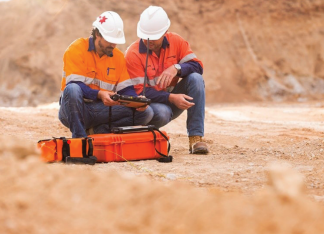
Heat illness covers a range of medical conditions that can
arise when the body is unable to properly cope with working
in heat. These conditions include:
- heat stroke – a life threatening condition that requires
- immediate first aid and medical attention
- fainting
- heat exhaustion
- heat cramps
- rashes (also called prickly heat)
- heat fatigue
- worsening of pre-existing illnesses and conditions.
Signs and symptoms of heat illness include feeling sick, nauseous, dizzy or weak. Clumsiness, collapse and convulsions may also be experienced as a result of heat illness. Workers with these signs or symptoms need to seek immediate medical attention. Workplace health and safety laws require the working environment to be safe and without risks to health and safety, so far as is reasonably practicable. This applies to any risk to health and safety, including illness from working in heat.
What is the risk of heat illness occurring?
There are several factors that need to be considered when determining if there is a risk of heat illness to workers and ways to protect them.
When identifying heat hazards and controlling heat risks, workers likely to be exposed to heat as well as their health and safety representatives (HSRs), if any, must be consulted.
Identifying heat illness hazards
Air temperature alone cannot be used to determine whether there is a risk of heat illness. The key risk factors that need to be taken into account are:
- air temperature
- humidity (in the environment or workplaces such as laundries and mines)
- radiant heat (from the sun or other sources such as furnaces and ovens)
- air movement or wind speed
- workload (nature of the work and duration)
- physical fitness of the worker (including acclimatisation and any pre-existing conditions eg overweight,
- heart/ circulatory diseases, skin diseases or use of
- certain medicines)
- clothing (including protective clothing such as overalls, coveralls and suits worn during insecticide spraying).
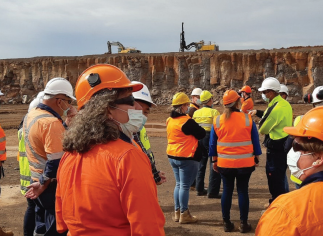
Is there a risk of heat illness?
If there is a risk of heat illness at work, it must be controlled. Advice may be sought from a person competent in heat assessment. They can provide recommendations about how the risk can be controlled.
Any assessment should include an appropriate heat stress index. A commonly used and recognised index is the Wet Bulb Globe Temperature (WBGT). The WBGT takes into account air temperature, radiant heat, humidity and air movement.
Adjustments are also made to take into account things such as physical workload, clothing and work organisation. If a risk of heat illness is identified, control measures need to be put in place. Workers considered at risk due to factors such as pre-existing conditions should be assessed by a doctor.
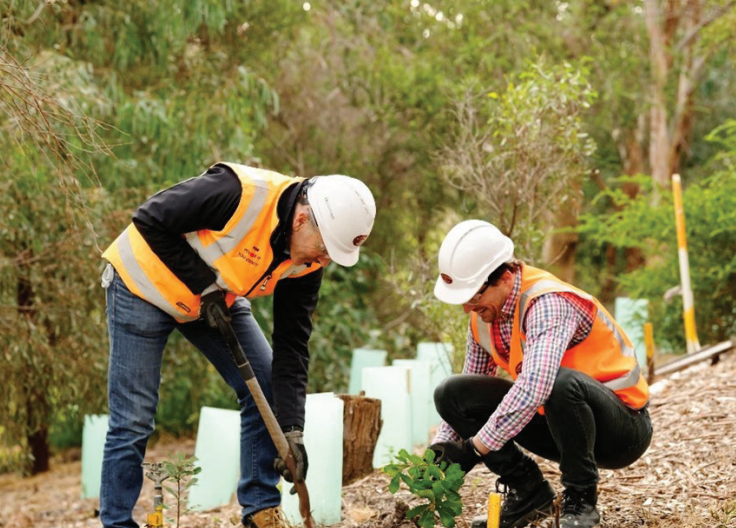
Preventing heat illness
The risk can also be minimised by modifying workload. This may include:
- rescheduling work so the hot tasks are performed during the cooler part of the day
- doing the work at a different location
- wearing light clothing that still provides adequate protection
- reducing the time spent doing hot tasks (eg job rotation)
- arranging for more workers to do the job
- providing extra rest breaks in a cool area
- using mechanical aids to reduce physical exertion
Other measures
Other measures for preventing heat illness include:
- keeping people away from hot processes allowing workers to acclimatise
- providing cool drinking water near the work site. During hot weather, workers should be encouraged to drink a cup of water (about 200 mL) every 15 to 20 minutes, and not rely solely on soft drinks or caffeinated drinks
- providing personal protective equipment (PPE) such as reflective aprons and face shields for reducing exposure to radiant heat. Outdoor workers should be provided with protection against ultraviolet exposure, such as wide brim hat, loose fitting, long-sleeved collared (preferably cotton) shirt and long pants, sunglasses and sunscreen
- providing workers with information, instruction and training on recognising heat-related illness and on first aid. Adequate supervision of workers is also required
- providing first aid facilities and access to medical help
Further information
Contact the WorkSafe Victoria Advisory Service on 1800 136 089 or go to worksafe.vic.gov.au Compliance Code: Workplace amenities and workplace environment.



You must be logged in to post a comment Login