
Progressive rehabilitation: doing the work as you go
From Resources Victoria compliance inspectors
Progressive rehabilitation is not a new idea. But we still visit sites where it’s a challenge for operators to get it right.
In simple terms, ‘progressive rehabilitation’ means restoring parts of a quarry as extraction happens – not leaving most of the work until closure.
Done well, it reduces risk and leads to a safer, more stable landform. It can also reduce costs and the amount of rehabilitation bonds. Most importantly, it makes final rehabilitation far more achievable.
The Mineral Resources (Sustainable Development) Act 1990 expects rehabilitation to happen across the life of a site. It also expects remaining works to be completed quickly when extraction ends. Where progressive rehabilitation is delayed, risk grows, costs rise, and bonds often grow rather than shrink.
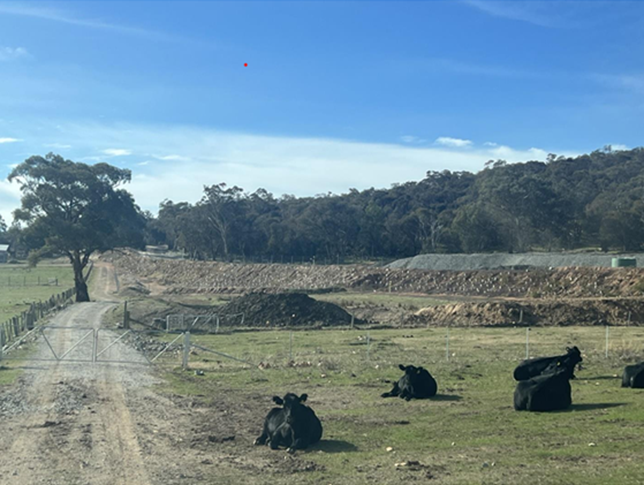
Progressive rehabilitation also aligns with community expectations. People want risks managed throughout operations, not parked until the end. Sites that show steady progress tend to attract fewer complaints.
This article draws on what we see during Resources Victoria inspections across the state. It sets out what capable operators do well, and what tends to go wrong when progressive rehabilitation is delayed or overlooked.
What we look for during inspections
We assess progressive rehabilitation as part of routine inspections and audits. Sites need to show what rehabilitation has been delivered, what is underway and what is next. If rehabilitation is not progressing, we may require corrective or remedial action.
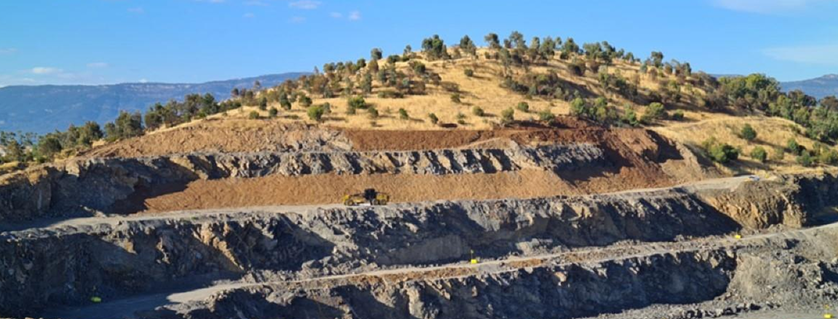
Five common compliance findings from site inspections
Across Victoria we see some common themes. These five areas are common strengths at well-run sites. They are also common gaps where compliance issues arise.
1. Follow your approved plan – and keep it onsite
An approved rehabilitation plan (or relevant code) is the starting point. It sets out the rehabilitation outcomes the site must achieve, where they apply and when they are expected to be delivered. Capable operators keep the plan accessible onsite. They make sure their staff and contractors are familiar with it. Sites that struggle often not as knowledgeable about the plan, cannot find their plan quickly or do not have it onsite.
Progress against milestones should be reviewed regularly. A good rule of thumb is at least once a year. This helps keep an operation’s remaining work calculations and bond liabilities accurate.
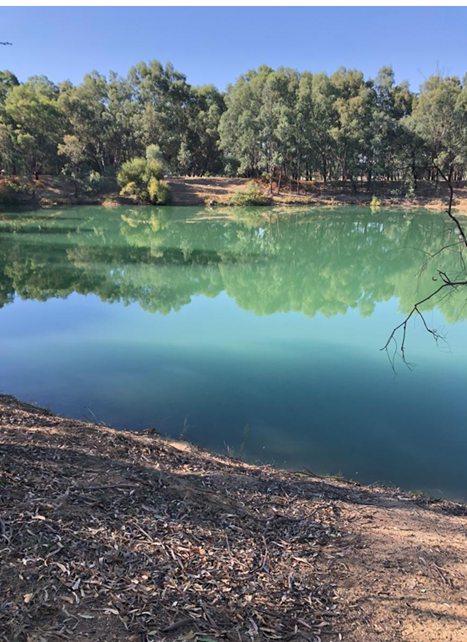
Baxters – rehabilitation of previous quarry 1996-2000
2. Record what you do, so you can demonstrate compliance
Rehabilitation that is not recorded may be hard to prove. Operations should keep clear records of where and when progressive rehabilitation has occurred. For larger sites, this usually means integrating rehabilitation into survey programs and engineering design and approval. For smaller sites, dated photos and simple work records might be enough (what was done, where and when).
Records should include material placement, engineering approval, topsoil handling, revegetation and weed control.
3. More rehabilitation usually means less liability
Progressive rehabilitation directly reduces rehabilitation liability. This then reduces bond requirements. Bond calculations assume a worst-case scenario. They do not assume operational efficiencies. Rehabilitation is usually cheaper during operations because equipment is onsite and overburden is available, so the work can be done more efficiently.
We also see one avoidable mistake. Some operators treat overburden and topsoil as a revenue stream or a waste. Later they face high costs to import replacements. That can blow out both cost and risk.
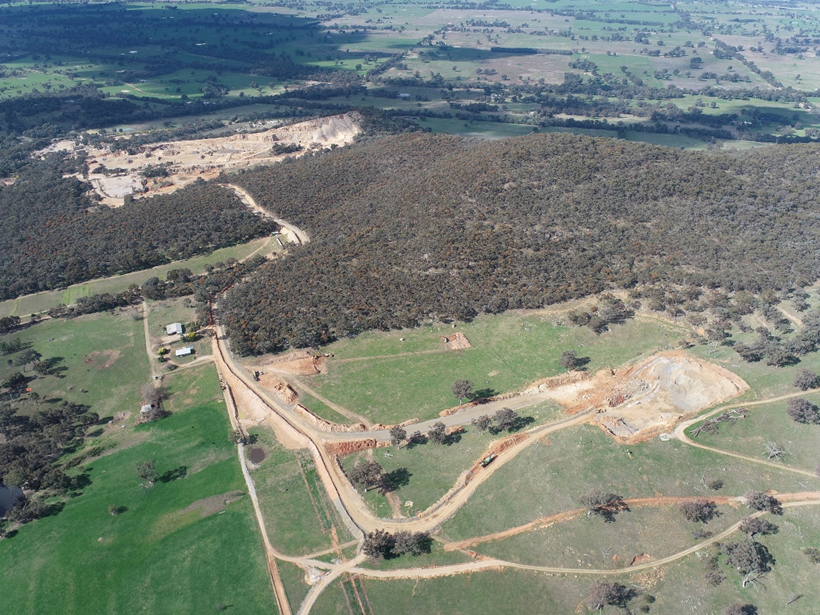
4. Keep it clean and green
Imported material can introduce contamination risk. Every site should have an Imported Materials Management Plan. This plan should set out clear rules for accepting clean fill only. It should also spell out the controls the site uses, how the site records them and how the site reviews how they work.
Sites also need a clear approach to testing. Testing can cover individual loads or batches, depending on risk and material source. Early checks can prevent having expensive treatment or removal later.
Inspecting, testing and verifying loads matters. If a site accepts material that is not clean fill, it can trigger extra approvals and expose the operator to significant removal or remediation costs.
Revegetation matters just as much. Using suitable seed stock, preventing weed spread and timing planting could all be required rehabilitation outcomes. If landform or revegetation outcomes are not met, rehabilitation is not complete.
5. Staging can lower costs
Good sequencing saves money. It also avoids double-handling.
Staging can be harder when the resource varies. Even so, good forward planning can deliver real gains, especially for larger operations with a well understood resource. Maximising use of machines to extract and reshape areas across the life of the operation make for a more stable landform and reduces the work left at the end. It can also reduce the capital tied up in the rehabilitation bond while the site is operating.
Topsoil and overburden need careful stockpiling management. Poor stockpile practices can lead to loss through erosion, dust or weed infestation. Stockpiles are part of the site and must comply with approval conditions, including location, size and buffer requirements.
Some sites struggle most at the end of the project. Costs can spike and bonds can stay high. That makes it harder to keep funding in place to finish the work. Progressive staging helps spread the cost and reduce the final burden.
Want more practical examples? Watch our webinar
Resources Victoria ran a webinar on progressive rehabilitation with guidance and examples we couldn’t fit here. It includes discussion of both large and small sites that have taken meaningful steps in progressive rehabilitation.
You can also look at the practices from the CMPA Progressive Rehabilitation Award recipients:
- Winner – Large quarry: Glenrowan Quarry (Mawsons)
- Commendation – Large quarry: Stawell Quarry (Conundrum Holdings)
- Winner – Small quarry (West): Wodonga (Baxters Concrete and Quarries)




You must be logged in to post a comment Login