
Keeping the flow: Smart vibration practices for hoppers, silos and bins
In any quarrying or processing plant, hoppers, silos and bins are critical assets that directly influence productivity, safety and profitability.
From a vibrator perspective, proper care and operation of these vessels is essential to protect structural integrity, ensure uninterrupted production and maintain consistent material flow.
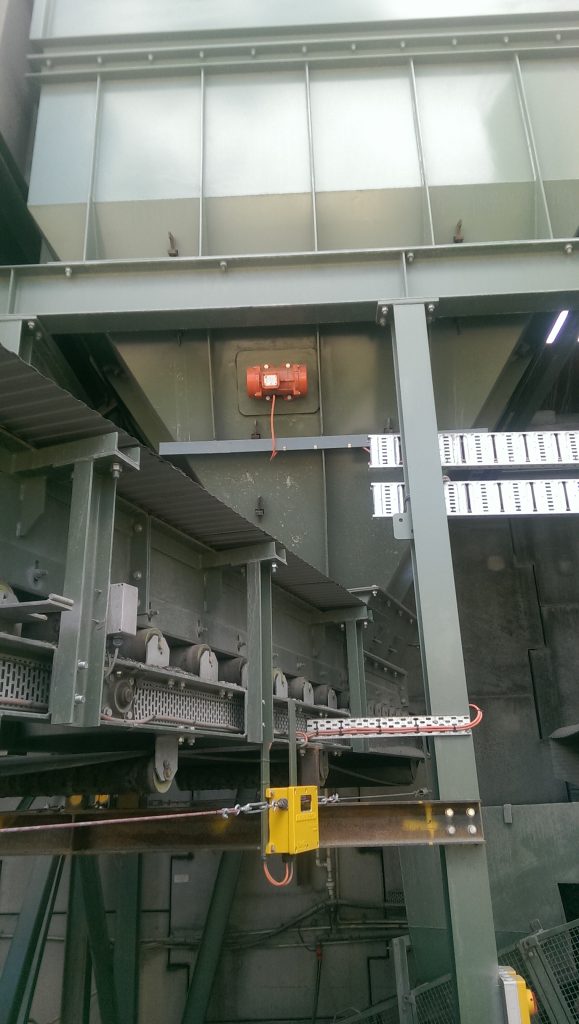
“Industrial vibrators play a vital role in promoting reliable discharge of bulk materials. When correctly specified, installed and maintained, they help eliminate common flow problems such as hang-ups, rat-holing and bridging,” said Mark Thompson, General Manager, OLI Australia.
These issues not only slow production but can also place uneven loads on vessel walls, increasing stress and long-term fatigue.
By encouraging even, controlled flow of product, vibrators reduce the need for manual intervention, minimise downtime and contribute to safer operating conditions. However, like any mechanical equipment, vibrators must be operated responsibly.
One of the most common and avoidable issues in plants is running vibrators while the vessel is empty. When there is no material present, the energy generated by the vibrator is not absorbed by the product and instead transfers directly into the structure. This can lead to excessive noise levels, unnecessary structural vibration, premature wear on mounting brackets and welds, and potential cracking over time.
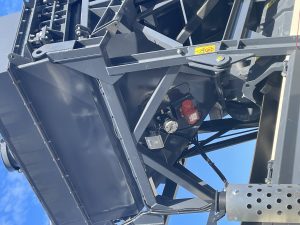
From both an asset protection and workplace health perspective, vibrators should only operate when material is present and flow assistance is required.
Routine inspection and maintenance are equally important. Regularly check mounting bolts for correct torque, inspect welds and support plates for signs of fatigue, and ensure electrical connections are secure and free from dust and moisture ingress.
Bearings should be monitored and greased in accordance with manufacturer guidelines, and any unusual noise or temperature increase should be investigated promptly.
A vibrator in good working order will operate smoothly, efficiently and quietly. A poorly maintained unit, by contrast, can generate excessive noise, consume more power and ultimately fail prematurely.
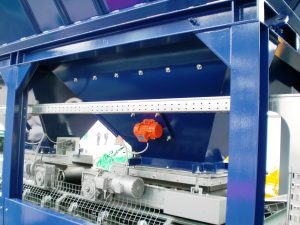
Correct installation also plays a significant role in performance. Vibrators should be positioned according to engineered recommendations to achieve optimal material flow without overstressing the vessel.
Oversizing a vibrator does not necessarily improve performance and may cause unnecessary structural stress. The goal is controlled energy input, enough to promote consistent discharge, but not so much that it compromises the vessel.
When hoppers, silos and bins are properly maintained from a vibration perspective, the benefits extend across the entire operation.
“Production becomes more predictable, material flow is consistent, blockages are reduced, and maintenance costs decrease. Most importantly, protecting these critical assets ensures long-term reliability and maximises return on investment,” said Mark.
In a quarry or plant environment where uptime is everything, proactive care of your vibrators, and the vessels they support, is not just maintenance; it is smart operational strategy.




You must be logged in to post a comment Login