
Native vegetation – challenges and opportunities
On 18 February 2026, Matt Vincent, CEO, Resources Victoria and Erin Letovsky, Regional Director, Loddon Mallee, DEECA, joined the CMPA Management Committee in Kilmore to discuss challenges and opportunities around the Native Vegetation Removal Regulations 2017.
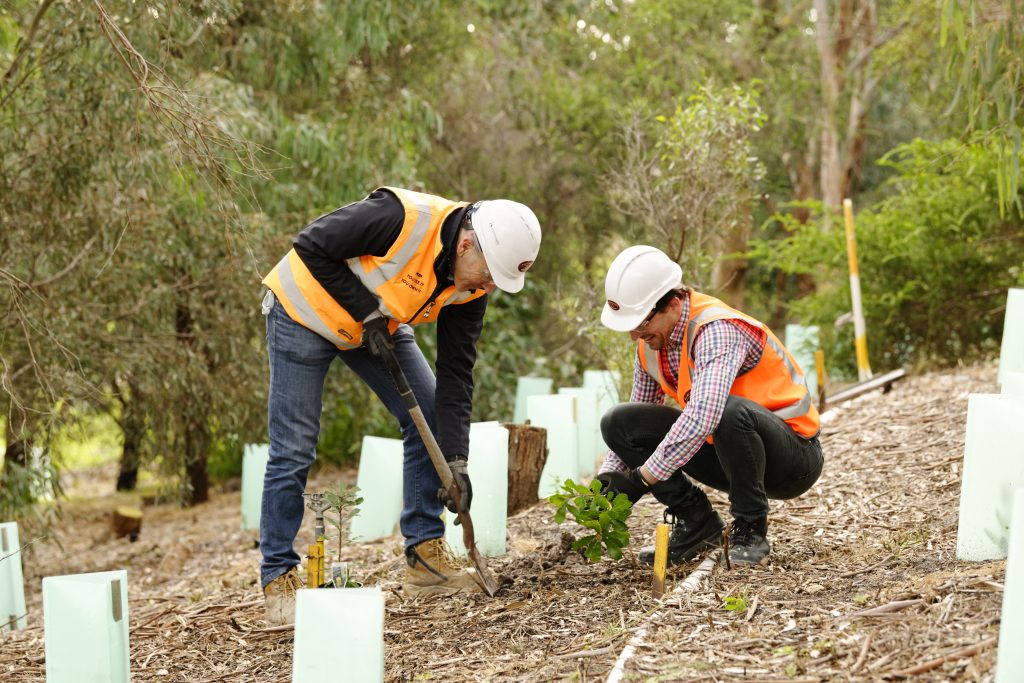
With robust discussion and debate from Committee Members, some of the challenges included:
Council Planners and DEECA
Many Council Planners (and even some DEECA officers) do not understand the relationship between Resources Victoria and DEECA:
- Native vegetation clearing
- Providing evidence of offsets available
- When an offset plan is required
- When native vegetation offsets need to be secured
- Who is the authorising body for the Extractive Industry
Despite the best intentions of policy makers, DEECA officers that implement the Regulations appear to be ideological, at times adversarial and come from a zero-disturbance perspective, positioning quarry industry at cross purposes.
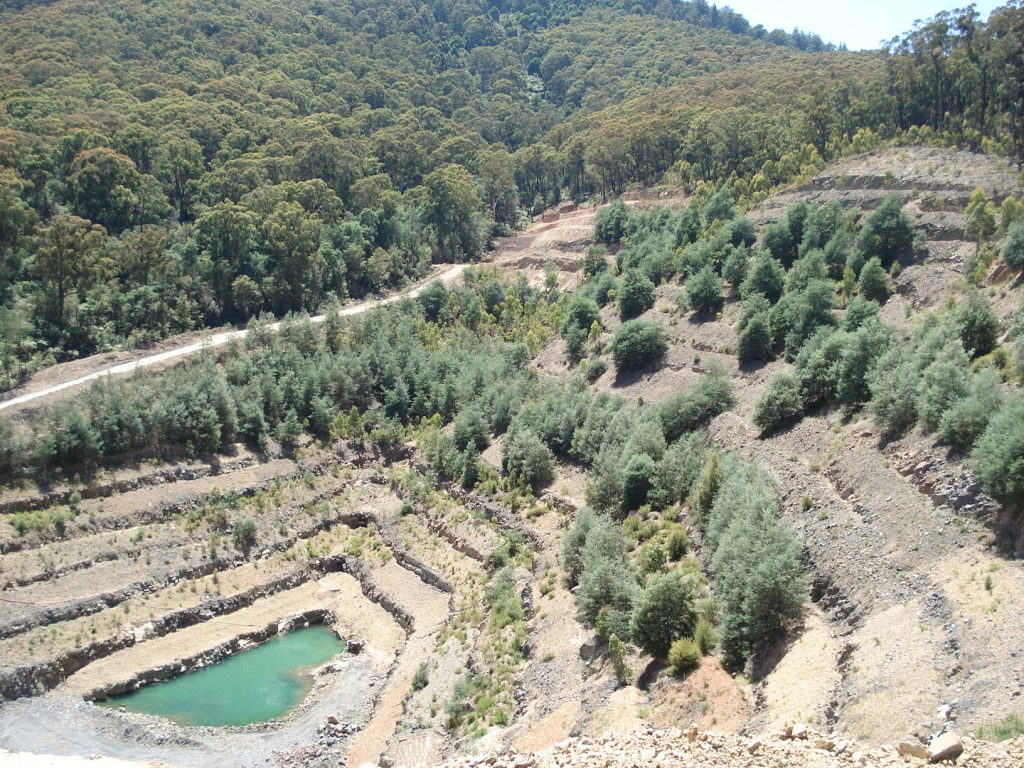
Mapping of native vegetation
The mapping of native vegetation is flawed but is relied upon as though it is absolute. The following are some concerns that were raised:
- The validity of the base data set.
- Some species have been misidentified, with no photo or physical evidence to support the identification process.
- Many sub species are difficult to differentiate, particularly as a juvenile, such as orchids that have not flowered.
- Often horticultural enthusiasts are quick to label the more ‘exotic’ sub species with the credentials of the identifier not being recorded.
- Algorithms used for mapping are based on logic and not organics whilst the local environmental factors such as aspect, altitude, rainfall and temperature give a decent indication of where to ‘expect’ to find a species it is not definitive.
- Many factors such as soil type and condition, contaminants and adjacent species, contribute to what constitutes a suitable environment.
- Despite lack of verified data and confirmation surveys, the presence of species, in any given location, as per the VIC Map modelling is considered absolute and beyond reproach; then DEECA decides it is not.
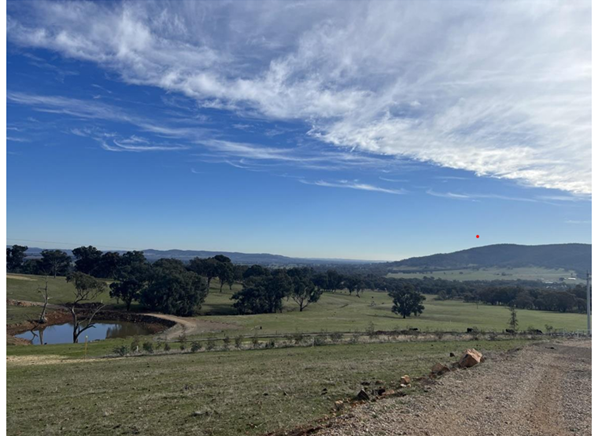
- Direct experience of the VIC Native Vegetation data that was re-mapped after some adjustments to the algorithm found species A is removed with species B and species C now having to be found.
- When it is explained that Species A was not available in sufficient numbers to undertake a meaningful level of clearing but that there were also issues with obtaining Species B and C in sufficient volume the proponent was informed that because the application was lodged under the old system, either Species A could be chosen to be acquired or Species B and C but not proportions thereof.
- This indicates that the purpose of the system has lost its way because it proves that neither species is actually required to be offset due to there being an option for Species A or Species B and C.
- It makes the system effectively punitive not performative.
Native vegetation – opportunities
A native vegetation system should allow flexibility for more novel approaches that deliver a genuine net positive environmental outcome. Quarry sites can offer opportunities through buffers, temporary habitats, and environments that support native species.
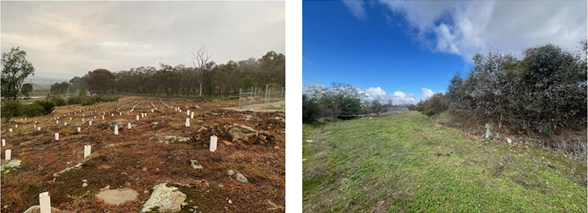
- An alternative to large scale native vegetation removal such as for developments and some quarries should return to like for like system with an improvement objective. For example, to remove 20 large trees of a particular species they must be replaced 5 or 10-fold.
- DEECA could coordinate a program with local Registered Aboriginal Parties to harvest and propagate seeds, to raise native species in nurseries and to revegetate low quality areas. It is a net gain approach where the quarry operators have some say in the outcome and can see their investment yielding a tangible outcome as opposed to paying for a landowner to not touch their worthless bush block.
- Land developers could be required to plant indigenous species in public open spaces or native vegetation corridors.
- The vast depth of knowledge that quarry operators have on Native vegetation removal regulations, the Flora and Fauna Guarantee Act, biodiversity etc. is an indictment on the system.
Recommendation
The CMPA should be actively engaged and consulted regarding native vegetation removal regulations 2017 and that the Victorian Government should also work collaboratively with site operators.




You must be logged in to post a comment Login